martedì 13 ottobre 2026

Scorpio Rising. Niemand überlebt allein


Jonathan Held

My rating: 2,5/5

Das alles könnte schon morgen passieren. Eine separatistische Miliz, die innerhalb Europas operiert. Eine offenbar bereits eingesetzte biologische Waffe. Die unkontrollierte Flucht der Zivilbevölkerung und die Amerikaner, die versuchen, ihre eigenen Leute in Sicherheit zu bringen.
So lernen sich Emilia, bekannt als Mili, und Amanda kennen. Erstere ist eine Deutsche, die sich als Amerikanerin ausgibt, damit das von Letzterer angeführte Rettungsteam sie von einem Flughafen evakuiert, der offenbar zu einer Todesfalle geworden ist. Unterdessen beginnen Menschen zu sterben, darunter auch diejenigen, die Amanda gerettet hat. Die Krankheit ist völlig unbekannt und entpuppt sich bald als Folge eines durch extreme Gentechnik entstandenen Erregers. Der Erreger ist hochansteckend, und es gibt keine wirksame Behandlung: Nach einer sehr kurzen Inkubationszeit sterben die Infizierten. Emilia erkrankt jedoch nicht, ebenso wenig wie Amanda, die während der Rettung ohne jeglichen Schutz in engem Kontakt mit ihr stand. Auch Nele bleibt gesund, obwohl ihr Vater kurz nach seiner Rückkehr aus Moldawien gestorben ist, nachdem er seine Frau und den anderen Sohn der Familie angesteckt hatte.
Währenddessen folgt Gregor in den österreichischen Alpen dem Beispiel der Florentiner, die sich auf das Land zurückzogen, um der Pest zu entkommen – was Boccaccio den Anlass zum Schreiben des *Decameron* gab –, und versammelt eine Gruppe von Freunden in einer völlig autarken Berghütte. Unter ihnen ist Tana, seine Ex-Freundin, die Mitglied des von der deutschen Regierung eingerichteten Krisenstabs ist.
Wie es der Zufall will, ist Tana seit ihrer Kindheit mit Emilia befreundet, also lädt sie diese ein, sich ihnen in der Berghütte anzuschließen. Aber Emilia ist auch Neles Patin, und sie hat zusammen mit der Mutter von Neles bester Freundin in der IT-Firma gearbeitet, die Neles Vater in Moldawien gehörte. Und während immer mehr Menschen sterben und die Zivilisation zerfällt und der Logik der Höhle weicht, ist es Amandas Aufgabe, die Zusammenhänge zwischen den tödlichen Infektionen und den Fällen gutartiger Infektionen zu erkennen. Letztere werden durch eine Art harmlose Variante des Erregers verursacht, die nicht nur nicht tötet, sondern sogar vor der tödlichen Version schützt. Amanda muss nun eine Kette von Ereignissen in Gang setzen, die zur Herstellung eines Impfstoffs führen könnte.
Die Geschichte ist faszinierend und adrenalingeladen, und der wissenschaftliche Aspekt ist gut recherchiert und äußerst plausibel dargestellt. Allerdings gibt es einen Haken: In der ersten Hälfte ist der Roman durch und durch unterhaltsam, scheint dann aber einer Art Superman-Komplex zu erliegen und beginnt, sich auf diverse Klischees zu stützen.
Einige Mitglieder der von Gregor zusammengestellten „Aeropagus“-Gruppe verwandeln sich plötzlich in so etwas wie Ninjas, sodass Irina im Alleingang eine kleine Gruppe hungernder Bergbewohner besiegt, die entschlossen sind, sich die Ressourcen der Gruppe anzueignen. Amanda ist Ärztin und zudem in Kampftechniken ausgebildet, und das geht in Ordnung. Aber was Nele und ihr junger Freund bei ihrer Flucht aus einem Pflegeheim, das sich in ein Gefängnis verwandelt, alles zustande bringen, ist ausgesprochen unglaubwürdig, und so weiter und so fort.
Kurz gesagt, die gesamte zweite Hälfte des Romans scheint ein bisschen aus dem Ruder zu laufen, wobei die Geschichte etwas zu stark in Richtung Actionroman abdriftet. Das extrem offene Ende ist zudem ausgesprochen unangenehm.

It could all happen tomorrow. A separatist militia operating within Europe’s borders. What appears to be a biological weapon at work. The uncontrolled exodus of civilians and the Americans trying to get their own people to safety.
This is how Emilia, known as Mili, and Amanda meet. The former is a German woman posing as an American so that the rescue team led by the latter will evacuate her from an airport that seems to have become a death trap. Meanwhile, people are beginning to die, including those rescued by Amanda. The disease is completely unknown and soon turns out to be caused by a pathogen resulting from extreme genetic engineering. The pathogen is highly infectious, and there is no effective treatment: after a very short incubation period, those infected die. Emilia, however, does not fall ill, nor does Amanda, who was in close contact with her during the rescue without any protection. Nele remains healthy, too, despite her father having died shortly after returning from Moldova, after infecting his wife and their other son.
Meanwhile, in the Austrian Alps, Gregor follows the example of the Florentines who retreated to the countryside to escape the plague, giving Boccaccio the pretext for writing the *Decameron*, and gathers a group of friends in a completely self-sufficient mountain hut. Among them is Tana, his ex-girlfriend, who is part of the crisis task force set up by the German government.
As it happens, Tana has been friends with Emilia since childhood, so she invites her to join them at the mountain refuge. But Emilia is also Nele’s godmother, and she has worked alongside the mother of Nele’s best friend at the IT company owned by Nele’s father in Moldova. And whilst people continue to die and civilisation crumbles, giving way to the logic of the cave, it falls to Amanda to piece together the pattern of fatal infections and cases of infection by a sort of benign variant of the pathogen, which not only does not kill but also protects against the deadly version. She must then set in motion a chain of events that might lead to the production of a vaccine.
The story is fascinating and full of adrenaline, with a well-researched scientific element presented in an extremely plausible manner. However, there is a catch: the novel is thoroughly enjoyable in the first half, but then seems to succumb to a sort of Superman complex and starts relying on various clichés.
Some members of the ‘Aeropagus’ group assembled by Gregor suddenly turn into something akin to ninjas, to the point where Irina single-handedly defeats a small band of starving mountain dwellers determined to seize their resources. Amanda is a doctor who is also trained in combat, and that’s fine, but what Nele and her young friend manage to do whilst escaping from a care home that is turning into a prison is decidedly implausible, and so on and so forth.
In short, the whole second half of the novel seems to get a bit out of hand, with the story veering a little too heavily towards the action novel. The extremely open ending, moreover, is decidedly unpleasant.
 
Il giorno potrebbe essere domani. Una milizia separatista che si muove dentro i confini dell'Europa. Quella che sembra essere un'arma biologica in azione. La fuga incontrollata dei civili e gli americani che cercano di mettere in salvo la propria gente. È così che Emilia, detta Mili, e Amanda entrano in contatto. La prima è una tedesca che si spaccia per Americana perché il gruppo di soccorritori comandato dalla seconda la porti via da un aeroporto che sembra diventato una trappola mortale. Nel frattempo a gente comincia a morire, anche le persone tratte in salvo da Amanda. La mattia è del tutto sconosciuta e presto si rivela provocata da un patogeno frutto di ingegneria genetica estrema. Il patogeno è estremamente infettivo e non c'è cura che tenga: dopo un periodo di incubazione brevissimo, gli ammalati muoiono. Emilia però non si ammala, come non si ammala Amanda, che durante il salvataggio le è stata molto vicina senza alcuna protezione. E non si ammala nemmeno Nele, il cui padre è morto subito dopo essere rientrato dalla Moldavia, e nel frattempo ha infettato la moglie e l'altro figlio.
Nel frattempo, sulle Alpi austriache, imitando il gruppo di fiorentini che, ritirandosi in campagna per sfuggire alla peste diedero a Boccaccio il pretesto per scrivere il Decamerone, Gregor raduna un gruppo di amici in un rifugio del tutto autosufficiente. Tra questi amici c'è Tana, sua ex fidanzata, che fa parte del gruppo di crisi istituito dal governo tedesco.
Combinazione, Tana è amica fin dall'infanzia di Emilia, tanto che la invita a raggiungerla nel rifugio montano. Ma Emilia è anche la madrina di Nele, oltre ad aver lavorato, assieme alla madre della migliore amica di Nele, alle dipendenze del padre della ragazza nell'azienda specializzata in tecnologie informatiche da lui posseduta in Moldavia. E mentre la gente continua a morire, la civiltà si spegne per lasciare posto alla logica della caverna, sta ad Amanda ricostruire la catena delle infezioni negative - mortali - e positive, date da una specie di versione benigna del patogeno, che non solo non uccide, ma protegge dalla versione maligna e mettere in moto una catena di eventi che possa portare alla produzione di un vaccino.
Tutto molto interessante e molto adrenalinico, con una parte scientifica ricercata e descritta in modo estremamente plausibile. Però c'è un però: il romanzo è godibilissimo per tutta la prima parte, poi sembra cadere in preda a una sorta di superomismo e mette in scena diversi cliché. Alcuni dei membri della specie di Aeropago messo insieme da Gregor improvvisamente si trasformano in quasi ninja, tanto che Irina praticamente da sola sconfigge un gruppetto di montanari affamati decisi a impossessarsi delle loro risorse. Pur essendo un medico, Amanda è addestrata al combattimento, e questo è ok, ma quello che fanno Nele e il suo giovane amico nel corso della fuga da una casa di cura che sta diventando una prigione è decisamente poco credibile, eccetera eccetera. Insomma, tutta la seconda parte del romanzo sembra essere un po' sfuggita di mano all'autore, strizzando un po' troppo l'occhio al romanzo d'azione. Il finale estremamente aperto, poi, è decisamente sgradevole.

venerdì 9 ottobre 2026

Todesstille über Föhr

Cornelia Härtl

My rating: 4/5

 Kari Lürsen ist eine ehemalige Beamtin des Bundeskriminalamts (BKA), die inzwischen Spezialermittlungsteams zur Verbrechensbekämpfung ausbildet. Das heißt aber nicht, dass ihr Leben dadurch ruhiger geworden ist; tatsächlich ermittelt sie gerade in einem seltsamen Fall auf der kleinen Insel Föhr, einem 82 Quadratkilometer großen Fleckchen Land in der Nordsee, wo sie eigentlich die Tage bis Silvester mit ihrem Freund verbringen wollte, der dort eine Kneipe betreibt.
Stattdessen wird in einer Ferienwohnung eine ermordete Frau gefunden. Ihre Identität ist zunächst unbekannt, da sich sowohl ihre Ausweispapiere als auch die Banknoten, mit denen sie einen Teil ihrer Ausgaben bezahlt hat, als gefälscht herausstellen. Kurz darauf wird eine weitere Leiche entdeckt, diesmal die eines Mannes, der sich offenbar das Leben genommen hat, indem er sich am Rollladen einer geschlossenen Kneipe erhängte.
Die beiden Fälle hätten vielleicht gar nichts miteinander zu tun, wäre da nicht die Tatsache, dass der Mann einen Schal bei sich trägt, der eindeutig zu einem Set gehört, zu dem auch die Mütze und die Handschuhe gehören, die in der Ferienwohnung der Frau gefunden wurden. Es handelt sich zudem um ein ungewöhnliches Set, da alle drei Teile handgefertigt und von höchster Qualität sind.
Um die Sache noch komplizierter zu machen, schalten sich Karis derzeitiger Chef und ihr ehemaliger Chef beim BKA ein. Sie übertragen ihr zwar die Ermittlungen, stellen ihr aber Sebastian zur Seite – einen ihrer Auszubildenden, mit dem die Zusammenarbeit in der Vergangenheit schwierig war. Als ob das noch nicht genug wäre, verschweigen sie ihr offenkundig Informationen, über die sie selbst verfügen, und weisen die beiden an, über die Ermittlungen absolutes Stillschweigen zu bewahren.
Im weiteren Verlauf tauchen die beiden Ermittler – die nach und nach ihr gegenseitiges Misstrauen überwinden – immer tiefer in die Vergangenheit der beiden Opfer ein, bis sie schließlich ein kriminelles Netzwerk aufdecken, das einsame Frauen, die sich nach Zuneigung sehnen, für kriminelle Zwecke ausnutzt. Angeführt wird es von einem Mann, der keine Skrupel kennt und besonders gefährlich ist, weil er Teil des Systems ist.
Alles in allem ein gelungener Roman, der sich trotz seines Status als fünfter Band der Reihe auch ohne große Vorkenntnisse lesen lässt und den Emotionen und der psychologischen Tiefe der Figuren besondere Aufmerksamkeit widmet.
 

Kari Lürsen is a former BKA officer – the German Federal Criminal Police Office – who now trains special investigative teams to combat crime. This does not mean that her life is any quieter now; in fact, she finds herself investigating a strange case on the small island of Föhr, an 82-square-kilometre speck of land in the North Sea, where she had planned to spend the days leading up to New Year’s Eve with her boyfriend, who runs a local pub.
Instead, a woman is found murdered in a holiday flat. Her identity is unknown because both her documents and the banknotes she used to pay some of her expenses turn out to be forged. Shortly afterwards, another body is discovered, this time that of a man who appears to have committed suicide by hanging himself from the shutter of a closed bar.
The two cases might not even be connected, were it not for the fact that the man is carrying a scarf that is clearly part of a set which also includes the hat and gloves found in the woman’s flat. It is an unusual set, moreover, as all three items are handmade and of the very highest quality.
To complicate matters further, Kari’s current boss and her former boss at the BKA intervene. Whilst entrusting her with the investigation, they assign Sebastian – one of her trainees, with whom she has had a difficult working relationship in the past – to assist her. As if that were not enough, they clearly withhold information that they possess and order the pair to remain completely silent about the investigation.
The story that unfolds leads the two detectives – who gradually overcome their mutual mistrust – to delve into the pasts of the two victims, until they uncover a criminal racket that preys on lonely women longing for affection. The racket is led by a man who has no scruples and is particularly dangerous because he is part of the system.
All in all, a fine novel that, despite being the fifth in the series, can be read without too much concern for the previous instalments, and that pays particular attention to the characters’ emotions and psychological depth.

Kari Lürsen è una ex funzionaria del BKA, la polizia criminale federale, ora impegnata nell'addestramento di squadre investigative speciali contro la criminalità. Questo non significa che ora la sua vita è più tranquilla, tanto che si ritrova a investigare uno strano caso sulla piccola isola di Föhr, uno sputacchio da 82 km quadrati nel bel mezzo del Mare del Nord, dove pensava di trascorrere i giorni precedenti l'ultimo dell'anno col fidanzato, gestore di un pub locale. Invece una donna viene trovata morta ammazzata in un appartamento per vacanze, una donna di cui l'identità è sconosciuta perché si scopre che i suoi documenti sono falsi, come sono false le banconote con cui ha pagato alcune spese. Subito dopo, viene rinvenuto un altro cadavere, questa volta di un uomo, che pare essersi suicidato impiccandosi alla saracinesca di un bar chiuso. I due casi potrebbero anche non essere collegati, se non che l'uomo ha con sé una sciarpa che fa evidentemente parte di un set che comprende anche il berretto e i guanti rinvenuti nell'appartamento della donna. Un set oltretutto poco comune, perché lavorato a mano e di altissima qualità. A complicare ulteriormente le cose, intervengono l'attuale capo di Kari e il suo precedente capo alla BKA, che affidandole l'indagine le affiancano Sebastian, suo allievo con cui ha avuto in passato rapporti lavorativi problematici e, come se non bastasse, chiaramente tacciono informazioni in loro possesso e obbligano i due al totale silenzio sull'indagine.
La storia che si snoda da queste premesse conduce i due investigatori, che poco alla volta superano le reciproche diffidenze, a scavare nel passato dei due defunti fino a scoprire un racket che sfrutta donne sole e affamate di affetto per fini criminali, capitanato da un uomo che non ha alcuno scrupolo ed è particolarmente pericoloso perché fa parte del sistema.
Un bel romanzo, che si legge senza farsi troppe domande sulle puntate precedenti anche se è il quinti di una serie, con un particolare occhio per i sentimenti e l'approfondimento psicologico.


giovedì 8 ottobre 2026

I Know What You Did


Cayce Osborne

My rating:  2/5

Petta Woznewski is a middle-aged woman, bitter and in constant conflict with life. She lives in New York, has a job that provides her with a decent living but offers little intellectual stimulation, has a part-time boyfriend to whom she gives plenty of sex but little affection, so as not to get too close, and tries not to think about her past.
Until one day – at the gynaecologist’s, of all places – she discovers that a thriller has recently been published, which has quickly become a bestseller, and whose protagonist has a name almost identical to her own: Petal Woznewski. The problem is that Petta’s real name is actually Petal, and the story described in the thriller – in which she is undoubtedly the murderer – is that of her own past.
The author of the novel writes under a pseudonym, but seems to know the facts very, very well, to the point that Petal can only think of one person who could have written it: Jenny, the third member of the teenage friendship that bound Petal, Jenny and Megan together – a friendship that ended with Megan’s death.
Determined to get to the bottom of things and establish the truth – that Megan’s death was a tragic accident – Petal returns to her hometown of Madison, where lies, ghosts from the past, sheer madness and, finally, the decision to shed the armour she has built around herself await her, so that she can finally have a better life.
The novel is rather weak and easily predictable, with the causal links feeling rather far-fetched and the ending decidedly conventional. The final section, moreover, is, in my view, superfluous, because what will become of Petal’s life after this adventure is clear from the moment she decides that saving Gus is her priority.
Pages and pages of good intentions that are obvious from the outset, in other words.
The best part – the one that partly saves the novel – is the excerpts from the supposed bestseller that set the story in motion; these are decidedly well written.


Petta Woznewski è una donna di mezza età, amara e in perenne conflitto con la vita. Vive a New York, fa un lavoro che le dà decentemente da vivere ma è poco stimolante intellettualmente, ha un fidanzato part time a cui concede molto sesso ma poco affetto per non accorciare troppo le distanze e cerca di non pensare al proprio passato. Finché un giorno - dal ginecologo, di tutti i posti poco piacevoli possibili - scopre che è da poco stato pubblicato un thriller, rapidamente diventato un best seller, la cui protagonista si chiama quasi come lei: Petal Woznewski. Il problema è che in realtà Petta si chiama Petal, e la storia descritta nel thriller, in cui indubbiamente lei è l'assassina, è quella del suo passato. L'autore del romanzo scrive sotto pseudonimo, ma pare conoscere i fatti molto molto bene, al punto che lei pensa che possa essere solo Jenny, la terza punta dell'amicizia adolescenziale che legava Petal, Jenny e Megan, amicizia terminata con la Morte di Megan. Decisa ad andare in fondo alle cose e a stabilire la verità: la morte di Megan era stata un tragico incidente, Petal torna nella natia Madison, dove la attendono bugie, fantasmi del passato, autentica follia e, finalmente, la decisione di lasciar cadere la corazza che si è costruita, per avere finalmente una vita migliore.
Il romanzo è deboluccio e molto telefonato, i rapporti di causa effetto piuttosto stiracchiati e il finale decisamente convenzionale. L'ultima parte, poi, è a mio parere superflua, perché cosa sarà della vita di Petal dopo questa avventura è chiaro nel momento in cui lei decide che salvare Gus è la sua priorità. Pagine e pagine di buoni, ovvi propositi, in altre parole.
La parte migliore, quella che salva in parte il romanzo, sono gli inserti tratti dal supposto best seller che ha messo in moto la vicenda, decisamente ben scritti. 

lunedì 28 settembre 2026

The Book of Laughter and Forgetting

Milan Kundera

My rating: 2/5

Kundera’s unbearable heaviness.
Several years ago, I tried to read his highly acclaimed "The Unbearable Lightness of Being", only to conclude that the novel was nothing more than the whingeing outpouring of a sexually repressed person. I don’t think I made it to the end, although I also put some of my difficulty down to the translation. I read "The Book of Laughter and Forgetting" in the English version revised and approved by the author himself, but to no avail – my negative impressions remained.
Kundera whinges about practically everything. He casts himself as a critic of communist totalitarianism, but deep down one gets the feeling that he regrets having been expelled from the party. It almost seems as though he regards his expulsion as the result of the regime’s failure to recognise how useful he could have been to it, rather than as a consequence of his actual criticism and opposition.
His attitude towards women, moreover, is that of a misogynist. Not a womaniser – someone who loves sex so much that he devotes himself passionately to it with any woman he meets – but someone who sees a woman only as an opportunity to belittle her through violence. It is no coincidence that his thoughts regarding the young woman who put her own career on the line to help him in his political troubles turn to rape at the very moment when she, terrified, alerts him to what has happened. He doesn’t go through with it, and for that he even gives himself a pat on the back, but the revulsion remains.
The theme of rape recurs several times throughout the pages of this novel-that-isn’t-a-novel, where it is also stated that, according to certain studies, since the word a woman uses most often is ‘no’, it can therefore be inferred that ‘no’ means ‘yes’.
Technically very well written, it is a nasty, heavy-going book, full of whingeing and preconceptions, which only a society that despises women and values a man simply because he got himself expelled from a totalitarian state could appreciate. 
 
L'insostenibile pesantezza di Kundera. Diversi anni fa, ho tentato di leggere il suo celebratissimo "L'insostenibile leggerezza dell'essere" per arrivare alla conclusione che quel romanzo non fosse altro che il piagnucoloso sfogo di una persona sessualmente repressa. Credo di non essere riuscita ad arrivare in fondo, ma anche di aver attribuito in parte la mia difficoltà di lettura alla traduzione. Ho letto "The Book of Laughter and Forgetting" nella versione inglese revisionata e approvata dall'autore stesso, ma niente, le cattive impressioni sono rimaste. Kundera piagnucola praticamente su tutto. Si mette la veste di critico del totalitarismo comunista, ma sotto sotto si ha la sensazione che rimpianga il suo essere stato espulso dal partito. Sembra quasi che ritenga la sua espulsione frutto dell'incapacità del regime di vedere quanto avrebbe potuto essergli utile, piuttosto che alla critica e all'opposizione vera e propria. Il suo rapporto con le donne, poi, è quello di un misogino. Non di un donnaiolo, di uno che ama così tanto fare sesso da dedicarvisi con passione con qualsiasi donna incontri, ma di uno che nella donna vede solo la possibilità di diminuirla usandole violenza. Non a caso i suoi pensieri relativi alla giovane donna che per aiutarlo nella sua disgrazia politica ha messo in gioco la propria carriera, nel momento in cui lei, terrorizzata, lo avvisa di quanto è successo, si rivolgono allo stupro. Poi non lo fa e per questo si dà anche una pacca sulla spalla, ma il disgusto rimane. Il tema dello stupro torna più volte tra le pagine di questo romanzo non romanzo, dove si dice anche che secondo certi studi, visto che la parola che una donna usa più spesso è "no", se ne inferisce che no vuol dire sì.
Tecnicamente scritto molto bene, è un libro brutto, pesante, pieno di lamenti e preconcetti, che solo una società che disprezza le donne e attribuisce a valore a un uomo solo perché si è fatto buttare fuori da una nazione totalitaria può apprezzare.


Orphans of the Sea (Underground)


domenica 27 settembre 2026

The Graffiti Killer

David Milnes

My rating 2/5

The protagonist of this novel is a little man. He is best defined by what he is not – by what he has failed to achieve – rather than by what he is. He is not even an albino, although he might appear to be at first glance. Nevertheless, thanks to a degree of financial stability achieved more by chance than by merit, he, like many Britons, moves to Spain to spend his twilight years.
For company, he turns to an online dating site, which sets him up with a woman he soon begins to detest. She describes herself as an artist, but in his view – he prides himself on having a deeply artistic sensibility – what she paints is nothing but kitsch rubbish. It is probably the fact that she somehow achieves a modicum of fame, which distances her from him and prompts her to tell him to his face what she really thinks, that drives our little man down the path of murder.
In the name of true art – that is, purely academic art – he begins by killing his ex-partner and goes on to kill a group of graffiti artists he encounters whilst travelling the roads of Spain. Then, perhaps emboldened by his success, he sets out to hunt down those he calls ‘trasheteers’, that is, devotees of popular culture in its various forms.
Despite his careful planning, all his attempts come to nothing, leaving him increasingly angry and destitute, to the point of having to live precariously, like many other Britons who, having gone to Spain, have bitten off more than they can chew, in an airport. And it is there that, to overcome the despondency of not being recognised as the saviour of genuine art, he decides to write his story.
That said, in my view, the novel has some fairly significant problems. First of all, the various parts seem rather disjointed. The man who kills his partner doesn’t seem to be the same person who kills the graffiti artists, nor the one who fails miserably at all his other objectives. Through sheer bad luck, or, rather, thanks to the victims’ sheer good fortune, his plans repeatedly come to nothing. It seems the author has forgotten here that too many coincidences can wear the reader down.
Then there’s the ending, which lends the story an almost dreamlike quality: are we dealing with a ruthless, albeit unlucky, killer, or someone who, fed up with witnessing such mayhem, dreams of annihilating those responsible?

One final issue: the title. It’s true that, in the end, it’s only the poor graffiti artists who lose their lives, but singling them out is reductive and misleading.

Il protagonista di questo romanzo è un ometto. Uno che è più facilmente definibile per mezzo di ciò che non è, di ciò che non è riuscito a realizzate piuttosto che il contrario. Non è nemmeno albino, nonostante possa sembrarlo a uno sguardo superficiale. Nonostante ciò, per mezzo di una stabilità finanziaria ottenuta più per caso che per merito, come molti britannici si trasferisce in Spagna per passare la vecchiaia. Per la compagnia, si affida a un sito di incontri online che gli consegna una donna che presto inizia a detestare: lei si definisce un'artista, ma secondo lui, che si vanta di avere una sensibilità profondamente artistica, ciò che lei dipinge è solo spazzatura kitsch. Probabilmente è il fatto che in qualche modo lei raggiunga una piccola notorietà, cosa che la sgancia da lui e la spinge a dirgli in faccia ciò che davvero pensa, a spingere il nostro ometto sulla strada dell'omicidio.
In nome della vera arte, cioè quella puramente accademica, inizia uccidento la ex compagna e prosegue con un gruppo di graffitari che incontra mentre percorre le strade della Spagna. Poi, forse confortato dal buon esito, si mette in caccia di quelli che definisce "trasheteers", vale a dire adepti della cultura popolare in varie forme. Nonostante la sua pianificazione, tutti i suoi tentativi finiscono in niente, lasciandolo sempre più arrabbiato e impoverito, al punto da dover vivere precariamente, come molti altri britannici che andando in Spagna hanno fatto il passo più lungo della scarpa, in un aeroporto. Ed è lì che, per vincere lo sconforto di non essere riconosciuto come salvatore della vera arte, che decide di scrivere la sua storia.
Detto questo, il romanzo ha secondo me alcuni problemi abbastanza importanti. Innanzi tutto, le varie parti sembrano abbastanza slegate. Colui che uccide la compagna non sembra la stessa persona che uccide i graffitari, né quello che fallisce miseramente tutti gli altri obiettivi. Per pura sfortuna, oltretutto, o, per meglio dire, per fortuna sfacciata da parte delle vittime. A quanto pare qui l'autore si è dimenticato che troppe coincidenze stancano il lettore.
Il finale poi, dona una qualità quasi onirica alla storia: siamo davanti a uno spietato ancorché sfortunato assassino o a uno che, avendone piene le scatole di vedere certi scempi, sogna di annientare chi li ha compiuti?
Ultimo problema, il titolo. È vero che alla fine a perdere la vita sono solo i poveri graffitari, ma tirare in ballo solo loro è riduttivo e fuorviante.
 

martedì 22 settembre 2026

The Whirlpool of Lebanon

Will Pass

My rating: 4/5

Zeb is eccentric, dyslexic, probably on the autism spectrum; he comes from a long line of people with depression and suicidal tendencies; he is by now quite elderly; his beloved wife is dying of cancer; and he is, in fact, contemplating suicide. This is the situation facing the unlikely protagonist when, returning from a ride on horseback on his ranch, he discovers a small pond at the bottom of a hollow that wasn’t there before, around which his entire herd lies asleep. He dismounts to investigate, and the horse, eager to reach the water first, gives him a push. Zeb remounts, but the horse becomes skittish, breaks into a gallop and throws him off, causing him to lose his hat – a gift from his wife. The next day, in place of the old horse there is a foal; the herd has vanished; and a procession of calves of unknown origin is passing through the village of Lebanon, Kansas.
Whilst the discovery of the fountain of youth is tragicomic, the story soon takes a disturbing turn because, as we know, when something is too good to be true, it is either not true or downright dangerous.
Indeed, whilst Zeb uses the powers of the strange, spinning (anti-clockwise, mind you) and ever-growing well to save his wife – rejuvenating himself in the process – the other people who inevitably learn of the secret react in different ways, often revealing aspects of their personalities unknown even to their long-standing neighbours.
Soon, the secret of the whirlpool spreads beyond the community and reaches the ears of ill-intentioned individuals – be they criminals or the government – and it falls to Zeb, who realises the dangers of an unsolicited gift before anyone else, to resolve the situation once and for all.
"The Whirlpool of Lebanon" is very reminiscent of "Peyton Place". The characters have much in common; local jealousies and feuds – offering good advice because one can no longer set a bad example – are depicted with the same sharp, sarcastic tone. The development of some characters is perhaps a little rushed, and the motivations of others remain unclear, but Zeb is a protagonist who simply sticks in the mind
 
Zeb è eccentrico, dislessico, probabilmente nello spettro autistico, discende da una lunga linea di depressi con tendenze suicide, è ormai piuttosto anziano, la sua amata moglie sta morendo di cancro e lui sta, per l'appunto, contemplando il suicidio. Questa è la situazione dell'improbabile protagonista nel momento in cui, tornando da un giro a cavallo nel suo ranch, scopre in fondo a una depressione un laghetto che prima non c'era, intorno al quale la sua intera mandria giace addormentata. Scende da cavallo per controllare, e questo, per raggiungere prima l'acqua, gli dà uno spintone. Zeb risale a cavallo, ma l'animale si imbizzarrisce, parte al galoppo e lo disarciona, facendogli perdere il cappello, regalo della moglie. Il giorno dopo, al posto del vecchio cavallo c'è un puledro, la mandria è sparita e una processione di vitelli di cui non si sa l'origine attraversa il paesino di Lebanon, Kansas.
Se la scoperta della fontana della giovinezza è tragicomica, la storia prende presto una piega inquietante, perché si sa, quando una cosa è troppo bella per essere vera, o non è vera o è decisamente pericolosa.
Infatti, se Zeb usa i poteri della strana polla roteante e continuamente crescente (in senso antiorario, badate bene) per salvare sua moglie, ringiovanendo se stesso nel processo, le altre persone che, per forza di cose vengono a conoscenza del segreto reagiscono in modi diversi, spesso mostrando aspetti della loro personalità sconosciuti ai vicini di lunga data.
Presto il segreto della polla esce dalla comunità e giunge alle orecchie di malintenzionati, criminali o governo che sia, e sta a Zeb, che ha capito prima degli altri i pericoli di un dono non richiesto, risolvere definitivamente la situazione.
The whirlpool of Lebanon ricorda molto I peccati di Peyton Place. I personaggi hanno molte cose in comune, le invidie e le faide locali - dare buoni consigli perché non si possono più dare cattivi esempi - sono descritte con lo stesso tono tagliente e sarcastico. L'evoluzione di alcuni caratteri è forse un po' affrettata e di alcuni sono poco chiare le motivazioni, ma Zeb non può fare altro che rimanere piantato nella mente.
 

martedì 18 agosto 2026

Mother Mary Comes to Me

Arundhati Roy

My rating: 5/5 

How does one cope with an authoritarian, eccentric mother with a larger-than-life personality? Having had one myself, I know for a fact that you either set aside any pretence of having a mind of your own or rebel openly, becoming even more extravagant and eccentric than your mother. That initial imprint, however – that sense of awe which, over time, turns into affectionate indulgence – remains with you for the rest of your life. And when your mother dies, she leaves behind, on the one hand, a sense of emptiness and, on the other, the feeling that she hasn’t really gone, because so many of her character traits have been internalised.
This, broadly speaking, is the relationship between Arundhati Roy and her mother, Mary, as described in this passionate memoir, which reads as effortlessly as a novel whilst retaining all the magic of *The God of Small Things*, the work that earned Roy the Booker Prize and international fame.
Mary, Roy’s mother, is not as internationally famous as her daughter, but in Kerala, her homeland, she was a feminist heroine: the first to fight for daughters’ inheritance rights through the courts, the first to found a school with unique educational principles, and someone capable of recognising and supporting authentic local architecture. Yet her relationship with her children, especially her daughter, was not without its problems and instances of abuse. Convinced, like many mothers of exceptional ability, that her children could succeed only if they bowed to her will – which she saw as the only way for them to achieve high standards – she would never acknowledge their successes until it was too late, and would take credit for them herself.
The rest of the family revolves around the mother – the real people who inspired the characters in Roy’s first, celebrated novel: her brother; her uncle, a former Oxford academic turned pickle entrepreneur; her grandmother, who, despite having suffered every form of abuse at the hands of her late husband, is still convinced that she endured it all to preserve tradition; and so on.
A memoir which, as I said, reads like a novel – impossible to put down, vivid, vibrant and utterly unforgettable
 
Come si sopravvive a una madre autoritaria, eccentrica, dalla personalità fuori dall'ordinario? Avendone avuta una, so per certo che o si lascia da parte qualsiasi pretesa di avere una volontà propria oppure ci si ribella apertamente, si diventa ancora più stravaganti ed eccentriche della genitrice. Quell'imprinting però, quell'iniziale soggezione che col passare del tempo diventa un'affettuosa indulgenza, rimane per tutta la vita. E quando la madre muore, lascia da una parte un senso di vuoto, dall'altra la sensazione che non se ne sia andata davvero, perché molti dei suoi tratti caratteriali sono stati introiettati.
Questo è a grandi linee il rapporto tra Arundhaty Roy e sua madre Mary così come descritto in questo appassionato memoir che si legge con la leggerezza di un romanzo e che conserva intatta la magia de Il Dio delle piccole cose, l'opera che valse alla Roy la vittoria del Booker Prize e la fama internazionale.
Mary, la madre, non è internazionalmente famosa come la figlia, ma nel Kerala, sua terra natale, è stata una eroina del femminismo: la prima a combattere legalmente per i diritti ereditari delle figlie, la prima a fondare una scuola dai principi educativi unici, quella capace di riconoscere la vera architettura locale e a sostenerla. Eppure il suo rapporto coi figli, soprattutto con la figlia, non è stato privo di problematiche e soprusi. Convinta, come molte madri dalle eccezionali capacità, che i figli potranno avere successo solo se si piegheranno alla sua volontà, unica cosa in rado di far raggiungere loro alti standard, no riconoscerà mai, se non quando è troppo tardi, i loro successi, e se ne approprierà.
Attorno alla madre ruotano tutti gli altri membri della famiglia, le persone reali alla base dei personaggi del primo, celebrato romanzo di Roy: il fratello; lo zio ex accademico di Oxford diventato imprenditori di sottaceti; la nonna, che pur avendo subito dal defunto marito ogni forma di violenza, è ancora convinta d averlo fatto per conservare a tradizione, e via così.
Un memoir che, come dicevo, si legge come un romanzo, impossibile da chiudere, vivo, vibrante e assolutamente indimenticabile.
 

sabato 6 maggio 2017

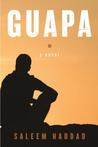
Guapa

Guapa Guapa by Saleem Haddad
My rating: 3 of 5 stars

Guapa è il nome del peggior bar di una non identificata città del Medio Oriente, in una nazione che potrebbe essere L'Iraq ai tempi di Saddam come pure la Siria di Assad o l'Egitto di Mubaraq. Da Guapa gli ospiti possono essere se stessi e liberarsi delle costrizioni di una società che valuta più la facciata che i sentimenti, dove, anzi, i sentimenti devono essere negati, e dove essere diversi è, più che immorale, di cattivo gusto. Rasa, allevato dalla nonna dopo l'ambigua scomparsa della madre e la morte del padre, è il cliente tipo di Guapa. Omosessuale, nella notte che precede il matrimonio del suo amante segreto rivive la sua vita, dagli anni passati a scoprire la sua omosessualità attraverso visioni notturne di proibiti canali televisivi, allo studio in America dove, a causa della sua timida pruderie scambia un gesto aggraziato per una promessa d'amore, fino allo scavare profondamente nei ricordi, e nelle ragioni, che hanno portato la madre ad andarsene, e la nonna a raccontare un mare di menzogne. Il libro è ondivago, a volte molto profondo, interessante, capace di scavare dentro l'anima, altre volte invece troppo pieno di parole per avere davvero qualcosa da dire. Su tutto prevale, per la sua carica di dissacrante umorismo e di rabbia feroce, il capitolo del matrimonio, quando Rasa finalmente deciderà di essere se stesso a dispetto di tutti.
Ringrazio Other Press e Netgalley per avermi fornito una copia gratuita in cambio di una recensione onesta.

Guapa is the name of the worst lounge of an unidentified Middle Eastern town, in a nation that could be Iraq at Saddam's time as well as Syria's Assad or the Egypt of Mubarak. By Guapa, guests can be themselves and get rid of the constraints of a society that values ​​the facade more than feelings, where, indeed, feelings must be denied, and where being different is, rather than immoral, bad taste. Rasa, raised by his grandmother after the ambiguous disappearance of his mother and his father's death, is Guapa's typical customer. Homosexual, on the night before the wedding of his secret lover, he revives his life, from the years spent discovering his homosexuality through nightly sightings of forbidden television channels, to the study in America where, because of his shy pruderie, he mistakes a graceful gesture for promise of love, deeply digging into the memories, and in the reasons that led his mother to leave, and his grandmother to tell a sea of ​​lies. The book is incostant, sometimes very deep, interesting, capable of digging into the soul, sometimes too full of words to have something to say. Abore all prevails, because of its desecrating humor and fierce anger, the wedding's chapter, when Rasa finally decides to be himself in spite of all.
I thank Other Press and Netgalley for providing me a free copy in exchange for an honest review.

martedì 2 maggio 2017

Norse Mythology

Norse Mythology Norse Mythology by Neil Gaiman
My rating: 5 of 5 stars

La scoperta di avere letture in comune con i propri autori preferiti è sempre piacevole. In questo caso mi è successo con Neil Gaiman, che a quanto pare amava come me i fumetti della Marvel con Thor come protagonista. Bellissimi fumetti, ben disegnati, con storie meravigliose, che per me avevano il valore aggiunto di essere qualcosa di esotico, dato che ai miei tempi "le femmine" non leggevano certe cose (e infatti ogni volta l'edicolante mi chiedeva con aria melensa se erano per mio fratello, e io rispondevo, con il tono ruvido che ho perfezionato fin dall'infanzia, che ero - e sono - figlia unica). Dopo i fumetti dell'infanzia sono arrivate l'Edda poetica e l'Edda di Snorri, e poi... poi lui è Neil Giman e io no, e quindi lui scrive e io leggo.
Per chi è appassionato da tanto tempo di mitologia nordica, Norse Mythology non è un libro da leggere per il piacere della scoperta. Quasi tutte le vicende mi erano note infatti, ma il modo in cui Gaiman le ha narrate, la leggerezza dei dialoghi, il suo rendere vicino e comprensibile persino un dio complicato come Odino, al cui confronto il Dio del vecchio testamento è un personaggio lineare, rendono la lettura fresca e piacevole, in qualche modo comunque nuova.

The discovery to have common readings with your favorite authors is always enjoyable. In this case this happened to me with Neil Gaiman, who too apparently loved Marvel's comics with Thor as the protagonist. Beautiful comics, well-drawn, with wonderful stories, which for me had the added value of being something exotic, since in my time 'the females' did not read certain things (and in fact every time the newspaper vendor asked me with a sappy look if they were for my brother, I replied, with the rough tone I perfected since childhood, that I was - and I am - a single child). After the childhood comics came the Poetic Edda and Snorri's Edda, and then ... then he is Neil Giman and I'm not, so he writes and I read.
For those who have long been passionate about Nordic mythology, Norse Mythology is not a book to read for the pleasure of revelation. Almost all the events in fact I knew, but the way Gaiman told them, the lightness of the dialogues, his making a complicated God like Odin, to whom the God of the Old Testament is a linear character, closer and comprehensible, make the reading fresh and enjoyable, somehow new.
Thanks Neil!
Grazie Neil!


lunedì 24 aprile 2017

The Eye of the Leopard


Henning Mankell
My rating: 5 of 5 stars

Un Mankell "fuori serie", nel senso di fuori dalla conosciutissima serie del commissario Wallander, ma fuori serie anche per la bellezza e la profondità del romanzo, che intreccia eventi avvenuti durante l'infanzia del protagonista, figlio di un uomo che combatte i suoi demoni (la rinuncia al mare, l'allontanamento della moglie) mediante una scientifica ubriachezza, con il suo essersi, da adulto, arenato in Africa all'inseguimento di un desiderio altrui e del tentativo di calmare un senso di colpa macroscopico.
Gli serviranno 20 anni di lavoro, malaria, di testimonianza di violenze inaudite, e, soprattutto, dover commettere due omicidi, per rendersi conto che nonostante tutto l'Africa non ha fatto di lui un uomo migliore e che deve tornare alla terra a cui appartiene e a desiderare per se stesso qualcosa di suo.
Magnifico.

An 'off-standard' Mankell in the sense of outside the well-known Commissioner Wallander's series, but out of the ordinary also for the beauty and depth of the novel, which interlaces the events that took place during the childhood of the protagonist, son of a man fighting his Demons (the renunciation to the sea, the estrangement of his wife) through a scientific drunkenness, with his being, as grown up, stranded in Africa in pursuit of someone else's desire and the attempt to calm a sense of macroscopic guilt.
He'll need 20 years of work, malaria, to testify to of unprecedented violence, and, above all, having to commit two murders to realize that despite everything Africa has not made him a better man and he has to return to the land to which he belongs and to wish for himself something of his own.
Magnificent.

martedì 18 aprile 2017

Bretherton: Khaki or Field Grey?

Bretherton: Khaki or Field Grey?W.F. Morris
My rating: 4 of 5 stars

La prima guerra mondiale sta finendo. L'ora del cessate il fuoco è già stato fissata e un battaglione inglese e uno tedesco stanno combattendo l'ultima battaglia, più per il morale che per il pegno, un piccolo castello. I tedeschi si ritirano e un ufficiale, Baron, entra nel castello attirato dalle note di un pianoforte che suona alcune tipiche marce militari inglesi. L'ufficiale percorre i corridoi fino ad arrivare a un salone, dove gli si presenta davanti una scena surreale: una donna bellissima, che indossa un abito da sera, morta senza alcuna apparente ferita, e un generale tedesco, anch'egli morto, con una ferita da baionetta nel petto e il capo reclinato sul pianoforte. Baron scosta il capo dell'uomo e il viso che gli si presenta davanti lo riempie di orrore, perché è quello di un suo caro amico, a sua volta ufficiale britannico, Gerard Bretherton, che tutti chiamano G.B.
Da questa premessa parte il racconto di una storia stranissima, scritta prima dal punto di vista di Baron poi da quello di G.B., che è sia resoconto fedele degli orrori della prima guerra mondiale scritto da chi li ha vissuti in prima persona, sia un fine thriller psicologico che mescola la spy-story a un mistero che sembra preso di peso da Strange Case of Dr Jekyll and Mr Hyde.
Il linguaggio rude e un po' insolito all'inizio rende difficile la lettura, ma una volta che ci si è abituati diventa uno dei pregi del romanzo.
Ringrazio Casemate Publishers per avermi fornito una copia gratuita in cambio di una recensione onesta.

The First World War is over. The time for ceasing the fire has already been fixed and an English and a German battalion are battling the last battle, plus for the morale then pledge, a small castle. The Germans retreat and an officer, Baron, enters the castle attracted by the notes of a piano playing some typical British military marches. The officer runs through the corridors until he arrives at a salon where he presents himself in front of a surreal scene: a beautiful woman who wears an evening dress, dead without any apparent injury, and a German general, also dead, with a bayonet wound in his chest and his head reclined on the piano. Baron shakes the head of the man and what he sees fills hhum with horror, for the dead man is his dear friend, in turn British officer Gerard Bretherton, who everyone call G.B.
From this premise begins the narration of a strange story, written first from the point of view of Baron and then of G.B., which is both faithful account of the horrors of the First World War written by a man who lived it in the first person and a keen psychological thriller that blends spy-story with a mystery that seems to have been taken by Strange Case of Dr. Jekyll and Mr Hyde.
The rude and somewhat unusual language at first makes reading difficult, but once you become accustomed it becomes one of the plus of the novel.
I thank Casemate Publishers for giving me a free copy in exchange for an honest review.

View all my reviews

domenica 11 settembre 2016

Gli anelli di Saturno: Un pellegrinaggio in Inghilterra

Gli anelli di Saturno: Un pellegrinaggio in Inghilterra W.G. Sebald
My rating: 4 of 5 stars

Titolo originale: Die Ringe des Saturn: Eine englische Wallfahrt - 1995
Pubblicato in Italia 1 novembre 2010 da Adelphi

Nonostante sia stato scritto da un tedesco, è un libro molto inglese. Un Tre uomini in barca senza l'umorismo della famosa opera di Jerome, ma con la stessa maniacale attenzione ai dettagli, nel quale l'osservazione della natura porta a ricordi di ogni genere e a profonde meditazioni filosofiche.
E sarà perché il paesaggio nel quale si muove Sebald è una Est Anglia desolata, un luogo dimenticato da dio e dagli uomini, nel quale la natura dà ormai il peggio di sé e le rovine la fanno da padrone, che le meditazioni di Sebald toccano per la gran parte argomenti neri: la guerra contro il Terzo Reich col suo carico di distruzione, la storia di Conrad, dalla morte miseranda dei suoi genitori fino al suo incontro con la tenebra coloniale, la fine del Celeste impero in gran parte causata dall'ingordigia inglese e dal suo oppio. Eppure c'è una speranza che attraversa l'opera come un filo sottile, rappresentata dalla seta e dal suo umile artefice, il baco, indicata come l'unica strada che può riportare un paesaggio desolato a rivivere e l'umanità a ritrovare se stessa.
Insolito, molto profondo e molto interessante.


mercoledì 7 settembre 2016

No Place for Women

No Place for WomenMohanalakshmi Rajakumar
My rating: 4 of 5 stars

Pubblicato 3 luglio 2016 da CreateSpace Independent Publishing Platform

Secondo libro di una serie, la narrazione parte con un cadavere e un fidanzamento. Il cadavere è quello di una giovane insegnante americana che lavora negli emirati, e il fidanzamento è quello tra Maryam, studentessa universitaria di ceto elevato, e Ali, giovane investigatore della polizia di stato. Ragione di questo fidanzamento abbastanza fuori dagli schemi? I due si sono trovati insieme in un'occasione precedente, dando origine a una serie di eventi i cui strascichi percorrono tutta questa storia, nella quale la trama gialla è un pretesto per parlare di un mondo dove giovani donne di ceto elevato prima ricevono un'educazione internazionale, per essere poi costrette a rinchiudersi in casa, in balia della famiglia del marito prima ancora del marito stesso, in ruoli tradizionali che detestano.
E, mentre l'indagine sull'omicidio prosegue fino alla sua non scontata conclusione, Maryam comincia a scoprire che questo "marito per caso", al quale i genitori hanno ritenuto di affidarla un po' per punizione per aver rifiutato partiti più ambiziosi e un po' per evitare lo scandalo, forse è una sorte migliore di quella che avrebbe potuto aspettarsi.
Romanzo ben scritto, coi giusti tempi del romanzo giallo, e molto interessante per la conoscenza diretta di un modo di vivere che ci sembra lontano, eppure diventa ogni giorno più urgente comprendere.


Second book in a series, the story starts with a dead body and an engagement. The corpse is that of a young American teacher working in the Emirates, and the engagement is between Maryam, university student of upper class, and Ali, a young investigator of the state police. Ground for this engagement quite out of the box? The two were found together on a previous occasion, giving rise to a series of events whose train runs throughout this story, in which the chriminal plot is an excuse to talk about a world where young upper-class women previously receive an international education, only to be then forced to shut theirselves in the house, at the mercy of her husband's family before the husband himself, in traditional roles they hate.
And while the murder investigation continues until its not obvious conclusion, Maryam begins to discover that this 'husband by chance', to which the parents have decided to entrust her a little as punishment for refusing more ambitious parties and a bit to avoid scandal, perhaps it's a better fate than she would have expected.
Novel well-written, with the mystery novel right times, and very interesting for the direct knowledge of a way of life that seems far away, yet it becomes daily more urgent to understand.

domenica 4 settembre 2016

Il Cinghiale che uccise Liberty Valance

Il Cinghiale che uccise Liberty Valance Giordano Meacci
My rating: 2 of 5 stars

Pubblicato 3 marzo 2016 da Minimum fax


Belle idee, un sacco di belle idee, troppe belle idee, che purtroppo non riescono a fare un bel libro, a dispetto della buona scrittura, di un linguaggio a volte pirotecnico e di momenti davvero intensi.
Due sono le sottotrame principali: due adolescenti che vedono, con attenzione da cinefili maniaci, un vecchio film con John Wayne, analizzandone i singoli fotogrammi e le singole battute (e a me, che cinefila non sono questo ha ricordato un film che ho quasi sicuramente visto, ma del quale non rammento il titolo), e il diventare senziente di un cinghiale, che spia gli umani - gli Alti sulle Zampe - cercando di appropriarsi del loro linguaggio, e di progettare azioni eclatanti che risparmino la sua specie dal diventare saporiti spezzatini. Già è molta roba, ma su questo tronco si innestano rami di specie diverse: un ragazzino con un occhio nero e uno azzurro che verso la fine del romanzo patisce di atroci mal di testa, che fanno pensare a un parto divino tipo Atena che nasce dalla testa di Zeus, ma è un pensiero mio, ché l'autore lascia la cosa lì, sospesa. Poi ci sono un paio di suicidi per impiccagione, dei quali uno quasi certamente fasullo, con una modalità mafiosa e di traffico internazionale di veleni che avrebbe meritato di migliore investigazione, tradimenti, dispetti e altre storie di paese, tutto lasciato lì, senza né capo né coda.
Un libro insomma che ha molti buoni spunti, ma che avrebbe dovuto essere potato meglio.


sabato 3 settembre 2016

Le femmine del babbuino

Le femmine del babbuino Mechi Cena
My rating: 5 of 5 stars

Pubblicato 2016 da Le Mezzelane Casa Editrice

Un noir nel senso più classico del temine. Un viaggio in questa nostra Italia densa di segreti, un viaggio che arriva fino in Africa, in compagnia del Commissario Laitano, un personaggio indimenticabile.


mercoledì 31 agosto 2016

LaCour's Destiny

LaCour's Destiny Robert Downs
My rating: 2 of 5 stars

Pubblicato il 31 agosto 2015 da Oak Tree Press

LaCour's Destiny, il destino di LaCour, che è il nome di una giovane donna impiegata come revisore dei conti in una non meglio specificata azienda che si occupa di nuove tecnologie, mi era ignoto all'inizio del romanzo e ha continuato a rimanermi ignoto alla fine dello stesso, perché la sia vita, le sue abitudini, le sue idiosincrasie e le sue peripezie alla ricerca di una disinvolta collega scomparsa improvvisamente non hanno né capo né coda.
Due stelline perché, nonostante dovrebbe perdere tre quarti della sua consistenza per eliminare le parti inutili, non è scritto male.


LaCour is the surname of a young woman employed as an accountant in an unnamed company that deals with new technologies, and her destinye was unknown to me at the beginning of the novel and continued to be unknown to the end of the same, because her life, her habits, her idiosyncrasies and her adventures in search of a mellow colleague that suddenly disappears are without rhyme or reason.
Two stars because although the book should lose three-quarters of its consistency to eliminate unnecessary parts, is not misspelled.

martedì 30 agosto 2016

The Quantum Cop

The Quantum CopLesley L. Smith
My rating: 3 of 5 stars

Pubblicato 15 maggio 2016 da Smashwords Edition


Meant to grasp a little physic to adolescents, this novel is based on a flippant use of quantum mechanics, just learnt from the new teacher of theoretical physics, by a couple of not extactly model college students, who use it to illegally enrich themselves by robberies. The beautiful teacher, with the help of her new, charming boyfriend, in turn trained in the uses of quantum mechanics, gets involved in the fight against the two new supercriminal, that she defeats in a battle full of special effects.
Novel for teenagers, as I said, with all the limits of the genre: the beutiful professor has obviously an ex-boyfriend who cheats on her as she looks away; the new boyfriend is obviously beautiful and with wonderful blue eyes, despite being a Chicano; the two young students mastered in a short time quantum mechanics, acquiring super powers that not even Superman, and so on.
The dialogues are very childish and very often the cause-effect relationships are not very clear.
That said, for the sake of physics, you can give it in reading, provided that the readers have no more than 18 years.

Lesley L. Smith, Ph.D. has earned a plethora of degrees, including a M.S. and a Ph.D. in Elementary Particle Physics. In 2012, she added to her collection by completing her MFA in Writing Popular Fiction at Seton Hill University. Dr. Smith’s short science fiction has been published in several venues, such as "Analog Science Fiction and Fact," "Daily Science Fiction," and Nano Meets Macro. She is an active member of the Science Fiction/Fantasy Writers of America (SFWA) and Rocky Mountain Fiction Writers (RMFW), and is also the founder and editor of Electric Spec.

Dr. Smith has held a variety of scientific jobs, including investigating quarks, dark matter, extrasolar planets, clouds, atmospheric chemistry, and global warming. She has worked for a variety of research institutions, while her nonfiction articles have been published in venues that include the Physical Review and Modern Physics Letters. She is a long-time member of the American Physical Society (APS)  and The American Geophysical Union (AGU).
 
For more information, connect with Dr. Smith on her website.

The Quantum Cop is now available on Amazon, Smashwords and Barnes & Noble.


The next stop on the tour will be Lori's Reading Corner


Inteso come strumento per far digerire un po' di fisica agli adolescenti, questo romanzo si fonda sull'uso disinvolto della meccanica quantistica, appena appresa dalla nuova insegnante di fisica teorica, da parte di un paio di studenti universitari non esattamente modello, che se ne servono per arricchirsi in modo illecito a suon di rapine. La bella insegnante, con l'aiuto del suo nuovo, affascinante fidanzato, a sua volta istruito negli usi della meccanica quantistica, viene coinvolta nella lotta contra i due nuovi superdelinquenti, che sconfiggerà in una battaglia a colpi di effetti speciali.
Romanzo per adolescenti, come ho già detto, con tutti i limite del genere: la bella professoressa ha ovviamente un ex fidanzato, che la tradisce appena lei gira lo sguardo; il nuovo fidanzato è ovviamente bellissimo e con meravigliosi occhi azzurri, nonostante sia un chicano; i due studentelli padroneggiano in brevissimo tempo la meccanica quantistica, acquisendo superpoteri che nemmeno Superman, e via discorrendo.
I dialoghi sono molto infantili e, molto spesso, i rapporti di causa-effetto non sono molto chiari.
Detto questo, per amor della fisica, lo si può dare in lettura, purché i lettori non abbiano più di 18 anni.

lunedì 29 agosto 2016

Hic sunt leones

Hic sunt leones Hic sunt leones by Anton Francesco Milicia
My rating: 5 of 5 stars

Pubblicato 29 agosto 2016 da Le Mezzelane Casa Editrice

Gente che scompare. Un dolore sordo in chi resta, che a poco a poco diventa rabbia. Fin dove possono portare questi sentimenti se spinti alla deriva è difficile dirlo, ma sono davvero troppe le persone che giorno dopo giorno cadono in un vuoto inspiegabile, tanto che, come immaginavano gli antichi romani, viene da pensare all’esistenza di una ignota e selvaggia terra degli scomparsi, nella quale vivono le belve feroci. E chi finisce in mezzo ai leoni, raramente sopravvive.

mercoledì 24 agosto 2016

Una nuova vita

Una nuova vitaBernard Malamud
My rating: 3 of 5 stars

Titolo originale A new life - prima edizione 1961

Probabilmente andrò in controtendenza, ma questo libro, così celebrato e scritto anche molto bene, mi ha annoiato. Nel preciso momento in cui Pauline versa addosso a Levin una cucchiaiata di pasticcio di tonno e patate bollente si sa già come andranno le cose, e questo avviene in una delle prime pagine.
Dirò di più, nel preciso momento in cui il marito di Pauline insiste perché Levin passi la prima notte di soggiorno nella città universitaria dove si è appena trasferito, sotto il suo stesso tetto, è perfettamente chiaro che tipo di persona è ed è possibile prevedere che cosa succederà, fino agli ultimi, squallidi dettagli. Il protagonista è di una goffaggine caricaturale, che però, a differenza di quella esibita da altri personaggi della letteratura americana di origine ebraica, non fa ridere per niente, fa anzi vergognare, per lui e per noi che, leggendo di lui, ci sentiamo dei guardoni.
Gli altri personaggi, non sono personaggi: troppo monodimensionali e incapaci di uscire dal loro ruolo, creando un po' di interesse.
Niente a che vedere con Roth, e nemmeno con Yates di Revolutionary Road, al quale questo libro è stato spesso paragonato.