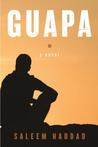
 Guapa by Saleem Haddad
My rating: 3 of 5 stars
Guapa è il nome del peggior bar di una non identificata città del Medio Oriente, in una nazione che potrebbe essere L'Iraq ai tempi di Saddam come pure la Siria di Assad o l'Egitto di Mubaraq. Da Guapa gli ospiti possono essere se stessi e liberarsi delle costrizioni di una società che valuta più la facciata che i sentimenti, dove, anzi, i sentimenti devono essere negati, e dove essere diversi è, più che immorale, di cattivo gusto. Rasa, allevato dalla nonna dopo l'ambigua scomparsa della madre e la morte del padre, è il cliente tipo di Guapa. Omosessuale, nella notte che precede il matrimonio del suo amante segreto rivive la sua vita, dagli anni passati a scoprire la sua omosessualità attraverso visioni notturne di proibiti canali televisivi, allo studio in America dove, a causa della sua timida pruderie scambia un gesto aggraziato per una promessa d'amore, fino allo scavare profondamente nei ricordi, e nelle ragioni, che hanno portato la madre ad andarsene, e la nonna a raccontare un mare di menzogne. Il libro è ondivago, a volte molto profondo, interessante, capace di scavare dentro l'anima, altre volte invece troppo pieno di parole per avere davvero qualcosa da dire. Su tutto prevale, per la sua carica di dissacrante umorismo e di rabbia feroce, il capitolo del matrimonio, quando Rasa finalmente deciderà di essere se stesso a dispetto di tutti.
Ringrazio Other Press e Netgalley per avermi fornito una copia gratuita in cambio di una recensione onesta.
Guapa is the name of the worst lounge of an unidentified Middle Eastern town, in a nation that could be Iraq at Saddam's time as well as Syria's Assad or the Egypt of Mubarak. By Guapa, guests can be themselves and get rid of the constraints of a society that values the facade more than feelings, where, indeed, feelings must be denied, and where being different is, rather than immoral, bad taste. Rasa, raised by his grandmother after the ambiguous disappearance of his mother and his father's death, is Guapa's typical customer. Homosexual, on the night before the wedding of his secret lover, he revives his life, from the years spent discovering his homosexuality through nightly sightings of forbidden television channels, to the study in America where, because of his shy pruderie, he mistakes a graceful gesture for promise of love, deeply digging into the memories, and in the reasons that led his mother to leave, and his grandmother to tell a sea of lies. The book is incostant, sometimes very deep, interesting, capable of digging into the soul, sometimes too full of words to have something to say. Abore all prevails, because of its desecrating humor and fierce anger, the wedding's chapter, when Rasa finally decides to be himself in spite of all.
I thank Other Press and Netgalley for providing me a free copy in exchange for an honest review.